
- All
- Product Name
- Product Keyword
- Product Model
- Product Summary
- Product Description
- Multi Field Search
Views: 0 Author: Site Editor Publish Time: 2025-12-16 Origin: Site


As renewable energy becomes more accessible, homeowners across the globe are looking for ways to reduce their reliance on the grid and lower their electricity bills. While solar panels have become a common sight on rooftops, many people are now asking the next logical question: is adding a solar battery to my system worth it?
The concept is simple. Solar panels generate energy during the day when the sun is shining. However, peak energy usage typically happens in the evening when panels aren't producing. Without a battery, that excess daytime energy is sent back to the grid. With a battery, you store it for later use. But does the financial investment stack up against the benefits?
This guide breaks down everything you need to know about solar batteries, how they work, the benefits they offer, and whether they are the right choice for your specific energy needs.
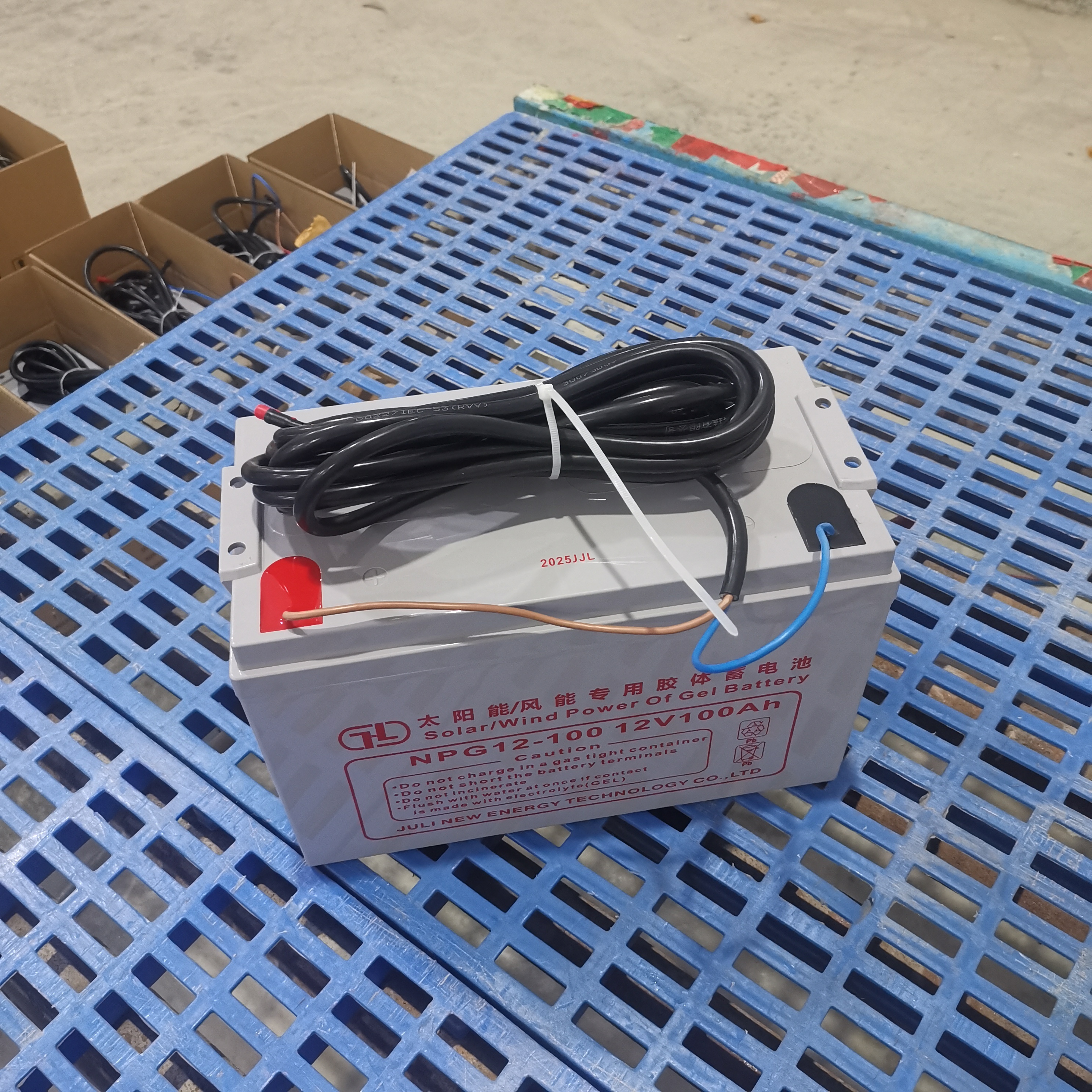
A solar battery is a device that stores energy generated by your solar panels for later use. Instead of sending excess electricity back to the grid, a battery allows you to keep that energy and use it when your panels aren't producing power, such as at night or during cloudy days.
Most modern solar batteries are lithium-ion based, similar to the batteries found in laptops and electric vehicles, but scaled up for home use. They are designed to charge and discharge repeatedly over many years.
The process is relatively straightforward but relies on smart technology to manage the flow of energy.
1. Generation: Your solar panels convert sunlight into direct current (DC) electricity.
2. Conversion: An inverter converts this DC electricity into alternating current (AC) electricity, which is what your home appliances use.
3. Consumption: Your home uses this energy first. If you are running the dishwasher or air conditioner, the solar energy powers them directly.
4. Storage: If your panels produce more energy than your home needs, the excess is directed to the solar battery to charge it.
5. Usage: In the evening, or when energy demand exceeds solar production, the battery discharges the stored energy to power your home.
6. Grid Interaction: If the battery is empty and the panels aren't producing, your home pulls electricity from the grid as usual.
Deciding to invest in storage goes beyond just "saving money," although that is a major factor. There are several strategic advantages to adding storage to your solar setup.
One of the primary motivators for homeowners is independence. By storing your own energy, you rely less on utility companies. This protects you from fluctuating energy prices and gives you more control over your household's power supply. While you may not go completely "off-grid," a solar battery significantly reduces the electricity you need to buy.
Power outages are becoming more frequent due to extreme weather events and aging infrastructure. A standard solar panel system actually shuts down during a blackout for safety reasons (to prevent electrocuting line workers). However, many solar battery systems have "islanding" capabilities, meaning they can disconnect from the grid and continue powering your home during an outage. This provides peace of mind that essential appliances—like refrigerators, lights, and medical devices—will keep running.
Without a battery, you might only use 30-50% of the energy your panels generate. The rest is exported to the grid, often at a lower "feed-in tariff" rate than what you pay to buy electricity back later. A solar battery allows you to use nearly 100% of the clean energy you produce, maximizing the value of your solar investment.
The potential savings depend heavily on your local electricity rates and how your utility company structures its billing.
If your utility has Time-of-Use (TOU) rates, electricity is more expensive during peak hours (usually late afternoon and evening) and cheaper during the day. A solar battery is incredibly valuable in this scenario. You can charge your battery with free solar power during the day and use that stored energy during expensive peak hours, avoiding high rates entirely.
Here is a comparison of how billing structures affect battery value:
Billing Structure | How it Works | Value of Solar Battery |
Net Metering (1:1) | You get full credit for every kWh you send to the grid. | Low: The grid acts as a "free" battery, so owning a physical one offers less financial return. |
Time-of-Use (TOU) | Electricity costs more during peak demand times (e.g., 4 PM - 9 PM). | High: You avoid buying expensive peak power by using stored battery energy instead. |
No Net Metering | You get paid little to nothing for exported solar energy. | Very High: Every kWh sent to the grid is lost value; a battery lets you keep that value. |
Not all batteries are created equal. When shopping for a solution, such as those offered by Juli New Energy, you need to understand the technical specifications to ensure the product meets your home's demands.
These are the two most critical metrics.
· Capacity (kWh): This refers to the total amount of electricity the battery can store. Most home batteries range from 5 kWh to 15 kWh. A larger capacity means you can power your home for longer.
· Power Rating (kW): This is the amount of electricity the battery can release at one time. A battery with a high power rating can run multiple heavy appliances (like a dryer and a pump) simultaneously. A low power rating might only support lights and a fridge.
DoD indicates the percentage of the battery that can be discharged relative to its overall capacity. Most modern lithium-ion batteries have a DoD of 90-95%. Higher is better, as it means you can utilize more of the battery's stored energy without damaging it.
This represents the amount of energy you can retrieve from the battery compared to what you put in. Because some energy is lost as heat during the conversion process, no battery is 100% efficient. Look for a round-trip efficiency of 85% or higher.
To help you decide, consider this checklist. If you answer "yes" to most of these questions, a solar battery is likely a sound investment for your home.
1. Do you live in an area with frequent power outages? If energy security is a priority, the cost of a battery is often justified by the backup power it provides.
2. Does your utility use Time-of-Use rates? If you pay more for power in the evening, a battery can save you significant money by "load shifting."
3. Are solar incentives available? Some governments and local utilities offer rebates specifically for energy storage systems, drastically reducing the upfront cost.
4. Do you want to maximize your green impact? Using your own stored solar power is cleaner than drawing from the grid, which often relies on fossil fuels during peak times.
The transition to renewable energy is not just about generating power; it is about managing it effectively. A solar battery transforms a standard solar system into a smart, resilient energy hub for your home. While the upfront cost can be significant, the long-term savings, security, and environmental benefits often tip the scales in favor of storage.
Companies like Juli New Energy are at the forefront of this shift, providing advanced storage solutions that help homeowners bridge the gap between generation and consumption. By analyzing your energy habits and local rates, you can determine if a battery is the missing piece in your home energy puzzle.
